
How one tight deadline became a clean evening package
Rhian Pugh
5 minutes to read
A short story from these autumn weeks: how a producer called Gareth, a half-written running order and a stack of rushes turned into a finished news package before the evening bulletin.
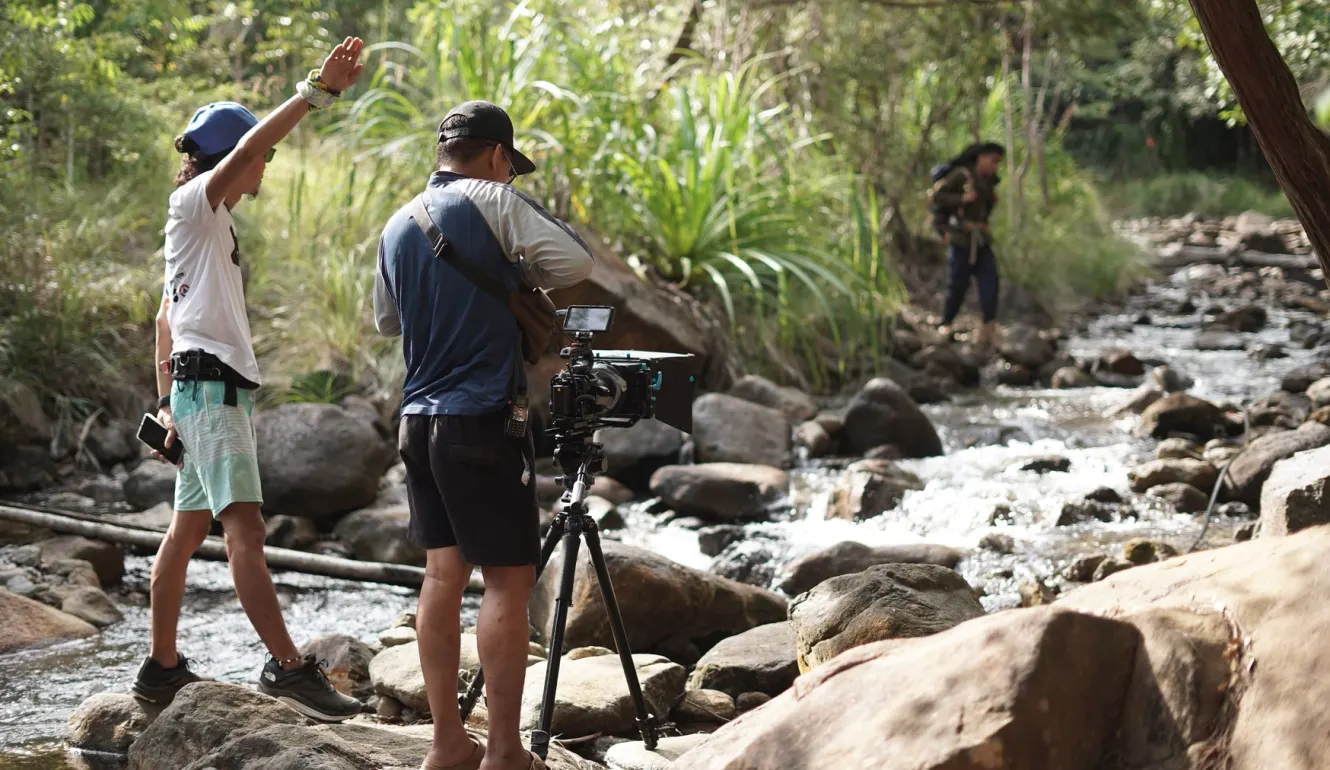
A call before lunch
Gareth is a producer at a regional television newsroom, and he rang me one mid-autumn morning with a problem many producers will recognise. His own crew had been pulled onto a developing story across the county, and a second item, about a flooded underpass closing a main commuter route, still needed a finished package for the early evening bulletin.
He had the rushes from a freelance shooter, a few lines of script and a running order with a hard slot of one minute forty. What he did not have was an editor free to cut it. He asked whether we could take the material, build the package to his order and send it back in time for his own checks.
I said yes after one question: was the footage already on its way? It was, and that decided how the afternoon would go.
What arrived and what we asked for
The rushes came over by secure transfer within the hour, along with Gareth's script and a note of the reporter's name for the caption. Priya, our lead editor, opened the folder and found around forty minutes of material from two cameras, some of it shot in poor light with the underpass still half underwater.
Before cutting anything we sent Gareth three short questions: which shots he wanted to open on, whether the voice-over would be recorded by his reporter or by one of our own voices, and what graphics style his newsroom used for place names. A package cut to someone else's running order lives or dies on those answers.
He replied inside ten minutes. The reporter would record her own voice-over on a phone and send the file, and the caption style was a plain lower third in white on a dark band.
- Rushes and script sent by secure transfer
- Running order with a fixed slot length
- Name and title for each caption
- Voice-over recorded by the client or by us
Cutting to the running order
Priya started from the end of the piece, not the beginning. The final shot, a road sign half submerged with the diversion route behind it, was the one Gareth wanted to leave viewers with, so she built backwards from it and kept every earlier shot short enough to fit the slot.
Two of the rushes had wind noise that made an interviewee hard to follow. She cleaned the audio where she could and, where she could not, used the clearer second take and covered the join with a cutaway of the water line against a parked van.
Newsroom editing is mostly choices about what to leave out. A minute forty holds fewer shots than people expect, and each one has to earn its place by showing something the script is saying.
Graphics, captions and the voice-over
The reporter's voice-over arrived mid-afternoon, recorded in a quiet room and slightly quiet in level. Priya brought it up to match the interviewee audio so that no one in the gallery would need to ride the fader during transmission.
Captions were set to Gareth's style: reporter name and location at the start, the interviewee's name and role under the first sentence they spoke. She checked each spelling against the script and asked Gareth to confirm one surname that appeared in two forms in his notes.
A small map graphic showing the closed stretch and the diversion went in over the middle of the piece. It took longer than the cutting itself, but it was the part the newsroom said it could not have made in the time it had left.
- Voice-over levelled to match interview audio
- Lower-third captions in the client's style
- Every name and place checked against the script
Delivery and the last check
The first version went back to Gareth about ninety minutes before the bulletin, as a file in the format his playout system expects. He watched it twice and asked for two changes: a shorter hold on the opening shot, and the diversion graphic to stay on screen a second longer.
Priya made both changes in a quarter of an hour and sent a second file, with the first kept so he could compare. That habit of keeping versions has saved more than one argument over what was approved.
The package ran in the bulletin at the planned length. Gareth sent a brief note afterwards saying nothing had needed fixing on air, which is about the best review an edit can have.
What we took from it
The job was ordinary in the best sense. The material was usable, the questions were asked early and the client was reachable, so the afternoon had no surprises. Most edit packages go well or badly in the first hour, long before the timeline is touched.
Producers who send a clear running order, a slot length and caption details with the rushes get a first version that needs little changing. Those who send footage alone get a good cut too, but it takes a round of questions to reach the same point.
If you are weighing whether to hand a package to an outside editor, the practical test is whether you can describe the finished item in a few lines. If you can, we can usually cut it.
Gareth's package was one small item in a busy news day, but it shows how we like to work: take the material, ask what we need to know, cut to the running order and return a file the newsroom can check without effort. If you have rushes, a script and a slot, send them to the newsdesk and tell us when the item needs to be on air.
More from the news desk
-
Before You Commission a News Package: A Checklist for Editors
A practical list of questions to settle with your edit team before a finished news package is cut, from running order and graphics to captions, voice-over and delivery.
-
How Quickly Can a Breaking News Crew Reach Your Story?
The question newsroom desks ask us most often: how fast can a crew be on location? Callum Reid explains what shapes the answer, from the first call to the first usable pictures.
-
The Tools Behind a Finished News Package, Cut to Your Running Order
A look at the editing software, graphics templates and audio tools our edit suite relies on to turn raw rushes into packages that drop straight into a newsroom running order.
Ask for a quote
- Phone
- 01792 410386
- Write to us
- newsdesk@ordivix.com