
What Studio Interview Filming Costs and What Moves the Price
Callum Reid
6 minutes to read
A plain account of how a filmed interview is priced, from room and crew time to lighting, audio and delivery, and which choices make the bill larger or smaller.
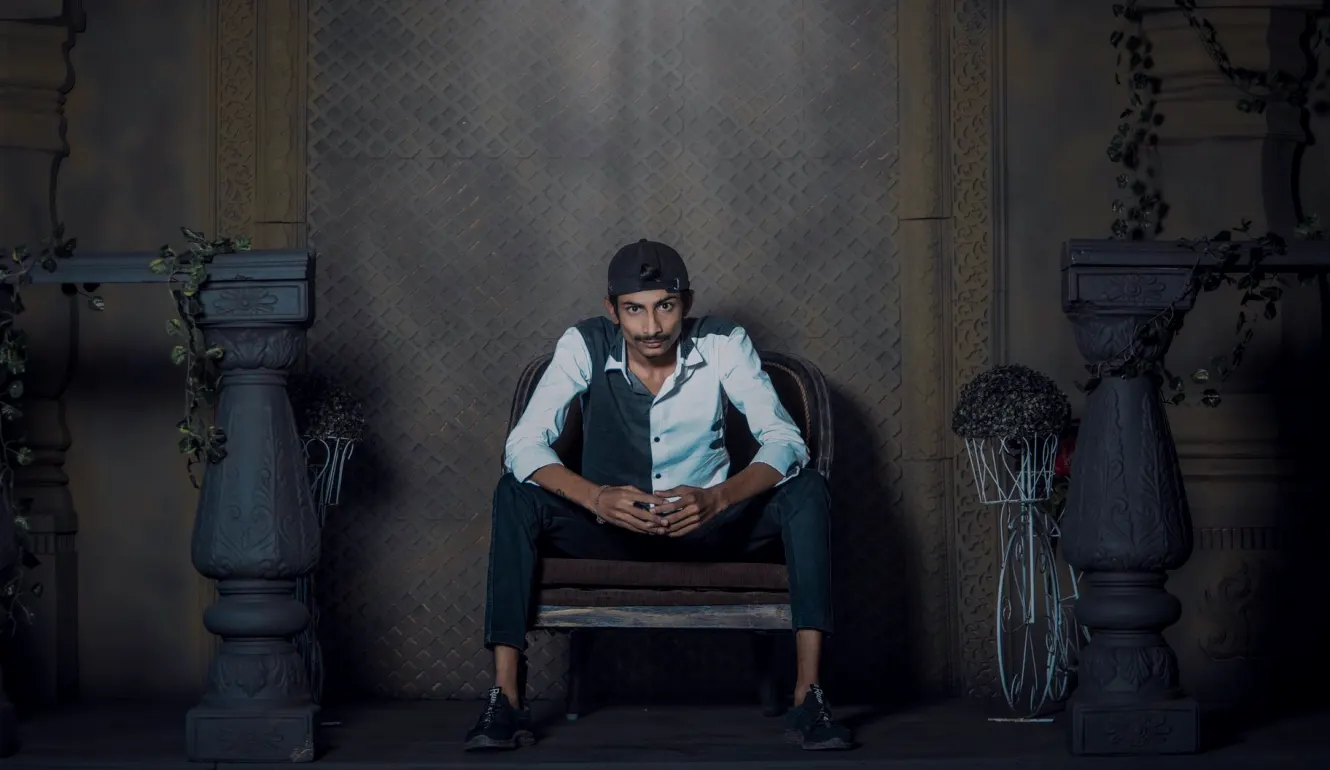
Where the cost of an interview actually sits
When a newsroom asks what a filmed interview costs, the honest answer starts with time, not equipment. A single guest, one camera and a quiet room can be set up and recorded inside a morning. A panel of three with two angles needs more people, more preparation and a longer day. Most of the price follows from how many hours the crew is booked and how many skilled hands are needed in that time.
I set up the lighting and audio for these sessions, so I see where the hours go. Rigging a key light, checking the background, placing microphones and listening on headphones before anyone sits down is not glamorous, but it is what makes the recording usable. Rushing that stage tends to cost more later, when a hum or a shadow has to be dealt with in the edit.
Our prices page sets out the current rates in pounds sterling, and a written quotation follows any enquiry. The points below explain what moves a figure up or down, so you can describe your interview in a way that lets us quote accurately.
Studio or your premises
The first choice is where the interview happens. In our Swansea studio the lighting positions, sound treatment and backdrops are already there, and the crew can settle in quickly. That usually makes the studio the more economical route for a straightforward conversation, particularly when the guest can travel to us.
Filming at your premises, or at the guest's workplace, changes the sum. Travel time is added, and the crew arrives with a kit that has to be unloaded, set up and checked in a room we have not seen before. Offices often have windows that shift the light, air conditioning that hums, and corridors that carry footsteps into the microphone.
None of this rules out filming on location, and sometimes the setting is the point of the story. It simply means the quotation reflects the extra travel and set-up. If you can send a photograph of the room beforehand, we can judge much better how long it will take.
- Studio: fixed set-up, shorter preparation, no travel
- Your premises: travel and rigging time added
- A photo of the room helps us quote accurately
Crew size, cameras and angles
A one-camera interview with a single operator is the simplest arrangement and the least expensive. The framing stays steady, the guest looks at the interviewer, and the edit is straightforward. Adding a second camera gives a cutaway angle and lets an editor hide a stumble, but it needs another operator or a more careful set-up, and the footage takes longer to sync and cut.
Sound deserves its own line in the plan. A lavalier microphone on each speaker, plus a recorder kept running as a safety copy, is our usual approach. Two or three guests mean two or three channels to monitor, and someone has to listen to them throughout. That attention is part of what you pay for, and it is cheap compared with an interview you cannot broadcast.
We would rather recommend one good camera and clean audio than add angles that nobody will use. If your running order only needs a single talking head of about a minute, say so, and we will price that rather than something grander.
Length, number of guests and the pace of the day
The booking is usually measured in hours, so the number of guests and the length of each conversation matter. Three short interviews back to back cost less than three separate visits, because the lighting is set once and only small adjustments are needed between guests. Gaps in the schedule, or a guest who arrives late, are hours the crew is still present for.
It helps to send a rough running order and a realistic estimate of how long each person will speak. People often underestimate. A five-minute chat becomes twenty once the guest relaxes, and that is welcome if the material is good, but it should be allowed for in the booking rather than discovered at the end.
Rest breaks, hair and make-up checks and a quick sound test with each guest are small items that add up across a busy session. We build a few of those minutes into the plan so that nobody is hurried while the camera is running.
- Several guests in one session share one set-up
- Late arrivals and gaps still use booked crew time
- Send an honest estimate of each conversation's length
Graphics, editing and delivery
Filming is one part of the bill; what happens afterwards is another. Raw rushes sent straight to your newsroom are the lightest option. If you want the interview trimmed, captioned or cut to a set duration, that edit is priced separately, since it takes editor hours and depends on how much you need removed or added.
Delivery matters too. Files can be sent by secure transfer in the format your system expects, and we can keep an organised copy in storage if you ask. Large multi-camera sessions produce a lot of material, and handling it carefully is part of the work, not an afterthought.
If a story is moving fast and you need the interview back in the building within the hour, say so when you enquire. Short turnaround has a bearing on how we plan the crew's day, and we would rather agree it at the start than promise it in a rush.
How a quotation and payment work
The route is simple. You send an enquiry through the contact page, describing the guests, the place, the length and what you want delivered. We reply with a written quotation, and once you confirm it in writing, the booking is made. Nothing is charged on the website; there is no checkout and no card payment.
After the work, we send an invoice, which is paid by bank transfer. If plans change, our payment and refund policy explains how cancellations are handled, and we would ask you to read it before confirming a date, since late changes affect crew we have already committed.
The most useful thing you can do to keep the price sensible is to be specific. A clear brief, a quiet room and an accurate guest list save more money than any negotiation.
- Enquiry through the contact page
- Written quotation, then your written confirmation
- Invoice paid by bank transfer
The cost of a filmed interview comes down to a handful of choices: where it is recorded, how many people are needed, how many guests and how long, and what you want handed back. Decide those points early and the quotation is easy to follow. If you are unsure how to describe your own interview, send us what you know through the contact page and we will help you shape the brief.
More from the news desk
-
Before You Commission a News Package: A Checklist for Editors
A practical list of questions to settle with your edit team before a finished news package is cut, from running order and graphics to captions, voice-over and delivery.
-
Six Mistakes on Breaking News Shoots and How to Avoid Them
Owen Davies, our senior camera operator, goes through the errors he sees most often when a crew is sent to a developing story, and the habits that stop them costing you usable footage.
Ask for a quote
- Phone
- 01792 410386
- Write to us
- newsdesk@ordivix.com