
What we have changed in our studio for interview work this autumn
Priya Sharma
6 minutes to read
A look at the practical updates to how we light, mic and frame sit-down interviews for newsrooms, in our studio and at your premises, as the darker months arrive.
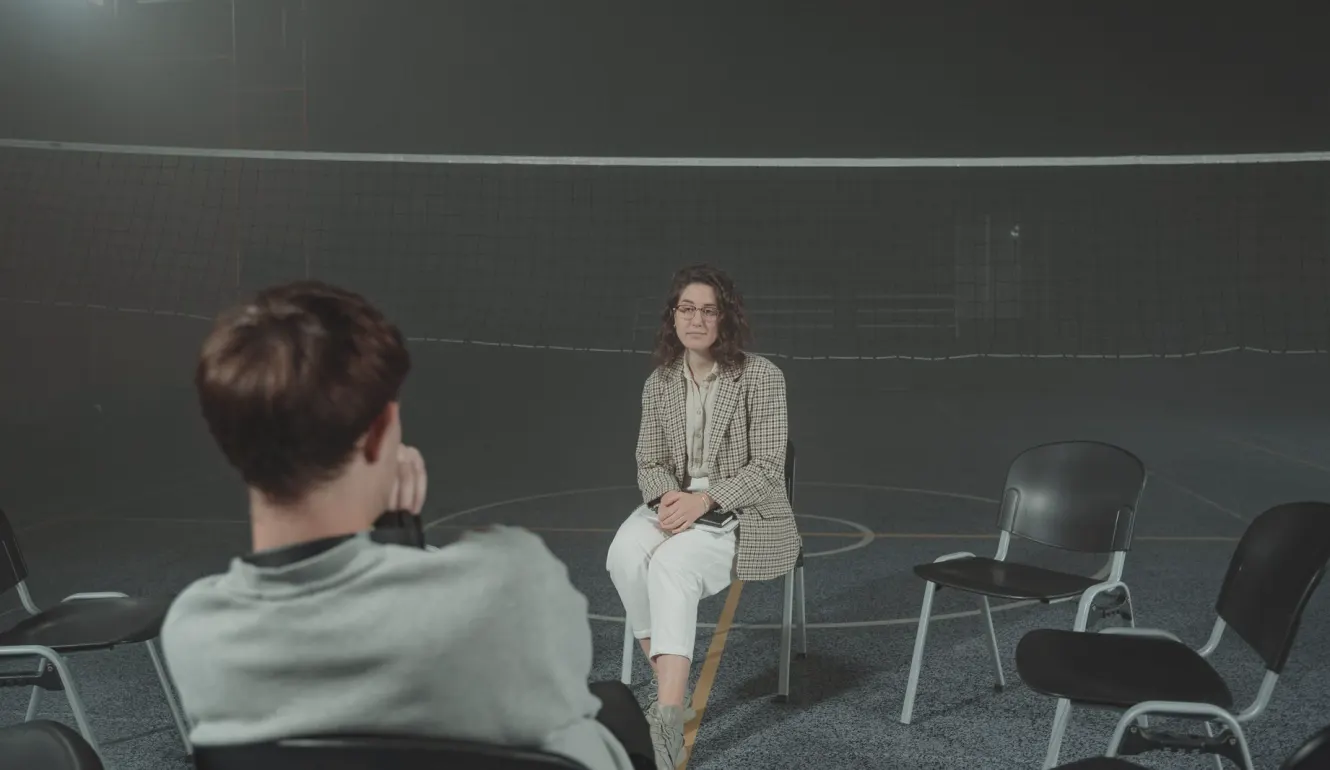
Why we looked again at the interview set
Every autumn the working pattern of a newsroom shifts. Daylight shortens, political and local-authority stories fill the schedule, and more guests are booked for calmer, planned conversations rather than doorstep clips. That is when Studio Interview Filming becomes a daily job for us rather than an occasional one, so we used the quieter weeks of early October to go through the set and the way we run it. The aim was modest: make each recording quicker to set up, easier to repeat from one day to the next, and kinder to the person in the chair. Nothing here changes what the service is. It is still a lit, recorded interview with clean audio and steady framing, delivered to your newsroom in a form you can cut straight away.
I edit the material that comes out of these sessions, and that shapes how I see the work. A problem with a shot is cheap to fix when the interview is being recorded and expensive when it reaches the timeline. Most of the changes below came from notes I had made over many edits about what I wished had been different at the point of filming.
The review was led by Rhian Pugh, who plans our bookings, with Callum Reid handling the lighting and audio side and Owen Davies advising on camera positions. I contributed the editing view.
A fixed, repeatable lighting position
Callum has marked the studio floor so that the key light, fill and background lamps return to the same positions after each session. A returning contributor, such as a regular analyst or council spokesperson, now looks the same from one visit to the next, which matters when a newsroom runs them across a week of bulletins. The set also has a gentler key light than before. Guests who are unused to cameras tend to squint under strong light, and that shows in the eyes within seconds. Softer, slightly wider lighting keeps faces natural and cuts down on the shine that otherwise needs correcting later.
For interviews at your premises we carry the same logic in a smaller kit. Callum looks at the room first, checks window light and any mixed colour from overhead fittings, and decides where the guest sits before a lamp is unpacked. Autumn afternoons fade quickly, so we now plan these visits with the time of the last usable daylight in mind.
- Floor marks keep light positions consistent between sessions
- Softer key light reduces squinting and skin shine
- On-site visits begin with a window and ceiling light check
Cleaner sound before anything else
Audio is the part of an interview that viewers forgive least. A slightly soft image passes; a hum, a clatter or a room that echoes does not. In the studio we have added further absorbent panels to the side walls, which takes the edge off the room without making it feel dead to speak in. Each guest is miked with a lapel microphone as a primary source, with a second recording running on a separate channel as a safety. If a guest brushes the clip or shifts in the chair, the backup is there, and I can choose the better of the two without asking anyone to repeat an answer.
Before recording, Callum asks for a minute of the guest talking naturally and listens on headphones. Heating pipes, a rattling vent or a nearby lift are easier to deal with at that point than after the first take. At client premises we ask politely to switch off whatever can be switched off, and we note what we could not.
Framing that helps the edit
Where two cameras are used, we now agree the framing pair with the editor's needs in mind: one steady medium shot, and one slightly tighter angle taken from a different side. The two give a natural way to cover cuts and trim a long answer without a visible jump. The eyeline is set just off the lens toward the interviewer's position, and the interviewer's seat is placed consistently. Guests tend to settle faster when they have a person to speak to rather than a lens, and the result is calmer delivery with fewer glances away.
We also leave a few seconds of room tone and a held shot at the start and end of every recording. Those small pieces are quietly useful when a package needs a clean beginning, a cutaway, or a gap filled under a voice-over.
- Wide and tight angles from different sides for easier cuts
- Interviewer seat and eyeline kept consistent
- Room tone and held shots recorded at both ends
What we ask of the newsroom beforehand
A short note from you makes the session run better. We find it useful to know who the guest is and how they like to be addressed, how long the finished answer needs to be, and whether there are any captions, name spellings or on-screen titles to prepare. If the guest is nervous or has not been on camera before, tell us; Rhian will allow extra time for settling in. It also helps to say how the material will leave us. If you need rushes sent straight to your system, or a first rough cut for approval, we arrange that at the start so the files are named and organised as your desk expects. This avoids the common tangle of unlabelled clips arriving late in the day.
On the day, we ask the guest to arrive a little before the booked time, so the lighting is not rushed and the first question is not asked while someone is still adjusting their collar.
- Guest name, title and preferred form of address
- Target length of the answers and any caption wording
- Delivery route and file naming for the rushes
Booking and what happens next
Studio Interview Filming is arranged through the contact page, where you can describe the interview, the likely length and whether you want the studio or a visit to your premises. A written quotation or confirmation follows, and the price page sets out what is included and what can change it. Once the session is booked, Rhian confirms the crew and the time, and Callum gets in touch about any technical questions on location. After recording, the material goes to you by secure transfer, or to me first if you have asked for an edited version.
These changes are small, and none of them is exciting on its own. Together they mean fewer retakes, better sound and a cleaner starting point for the edit, which is what a newsroom working to a deadline needs from an interview.
The studio is set up for the busy months ahead, with repeatable lighting, cleaner audio and framing chosen with the edit in mind. If you have an interview coming up, in our space or yours, send the details through the contact page and we will confirm the crew, the timing and the way you would like the material delivered.
More from the news desk
-
Direct Transfer or Managed Archive: Choosing How Your Rushes Travel
Two ways to move footage from our crew to your newsroom, compared by speed, control and cost of mistakes, with a clear recommendation from a camera operator who sends rushes every week.
-

Talkback, Cue and Standby: Live Position Terms Explained
Live positions run on a handful of short words that mean exact things. Priya Sharma explains talkback, cue, standby and the countdown, and why each one matters to a crew on location.
Ask for a quote
- Phone
- 01792 410386
- Write to us
- newsdesk@ordivix.com