
What a Live Position Costs and What Moves the Price
Rhian Pugh
6 minutes to read
A plain breakdown of how we price live position support, from crew size and kit to travel and hours on site, so a newsroom can budget before it commits.

Why we explain the price at all
Newsroom editors often ask for a figure in the first phone call, and fairly so. A live report is booked against a running order, and the person approving the spend needs to know roughly what it will be before the camera is even loaded into the van. I plan every deployment here, so I would rather explain how the number is built than hand over a total with nothing behind it.
Live position support means camera, lighting and sound for a report from a fixed spot or an outside broadcast location. That sounds like one product, but two bookings with the same name can differ a great deal in what they ask of the crew. This article walks through the parts that move the price, in the order they usually come up when we write a quotation.
Nothing here is a rate card to quote back to us. Final figures are always written down after an enquiry through the contact page, and the written quotation is what counts.
Crew size is the largest part of the figure
The first question is how many people the position needs. A single report to camera on a quiet pavement can be covered by one operator who also looks after sound. A busier setting, with a reporter, a guest and moving traffic behind them, usually wants a camera operator and a sound and lighting technician working together.
Each extra person adds cost, but it also removes risk. A technician watching audio levels lets the operator concentrate on framing, and that matters most when a live slot cannot be repeated. We would rather recommend the smaller crew when it is enough than add someone for show.
When we talk through a booking we ask what the reporter will actually do on air: a single piece to camera, a two-way with the studio, or a rolling position across several slots. The answer usually settles crew size within a few minutes.
- One operator for a simple piece to camera
- Operator plus technician for guests or busy surroundings
- Producer on site only when the editor asks for one
Hours on site, not hours on air
Newsrooms sometimes assume the charge follows the length of the broadcast. It does not. A ten-minute live slot may need the crew on location for several hours, because they arrive early, rig, test the feed, wait through the lead-in and then pack down afterwards.
So we price by the period the crew is committed to your position. That window covers set-up, a line check with your gallery, the waiting that live news always involves, and the wrap. If a story runs on and the position has to stay open, extra time is billed at the rate set out in the quotation, and we tell you when we are approaching it rather than after.
Short, well-defined bookings are the cheapest to deliver. Open-ended ones, such as an unfolding incident, cost more simply because we cannot release the crew to another job.
Kit, lighting and the location itself
The equipment list changes the price less than people expect, but it does change it. A daylight report on a clear street needs little lighting. The same report on a dark, wet evening needs lamps, stands, weighting for the wind and cabling that is safe to leave across a public space.
Location matters in other ways too. A sheltered spot with power nearby is straightforward. A headland, a car park or a field means generators or battery lighting, weather cover, and more time to rig. Access can also add hours when kit has to be carried a distance from where the van can stop.
Seasonal conditions count for more now than in summer. Mid autumn brings early dusk, rain and gusty coastal wind around South Wales, and we allow for that in how long we think set-up will take.
- Lighting needs rise sharply after dark
- Weather cover and wind weighting for exposed sites
- Power supply: mains on site or our own batteries
Travel, notice and the feed back to you
Travel is charged by distance and time from our Swansea base. A position in the city is quick to reach; one at the far end of the region means more hours before the crew can even start rigging. We state travel as its own line so you can see what part of the figure is simply getting there.
Notice affects the plan as well. Booked a day ahead, we can schedule the right crew and rehearse the connection. Booked within the hour, we may have to move people from other work, and that is reflected in the quotation. We will always tell you what we can reach in the time you have.
The feed home is part of the job. Whether the signal goes to your gallery by a link we set up with your engineers, or we deliver recorded material afterwards, we agree the method first, since it can change the equipment we bring.
How the quotation and payment work
Send an enquiry through the contact page with the location, the likely times, what the reporter will do and who we connect to. We reply with a written quotation that lists crew, hours, kit, travel and any extras as separate lines, so you can see exactly what you are agreeing to.
Once you confirm in writing, the booking is held. After the work we issue an invoice, which is paid by bank transfer. Cancellations and refunds follow our payment and refund policy, which is worth reading before you confirm a booking that depends on a story still developing.
If the quotation looks higher than you expected, tell us which part worries you. Often a shorter window, a smaller crew or a better-chosen spot brings it down without losing anything the report needs. I would rather adjust the plan with you than see a booking go elsewhere over a misunderstanding.
- Enquiry through the contact page
- Written quotation with itemised lines
- Written confirmation, then invoice by bank transfer
The price of a live position comes down to people, time, conditions and distance, and each of those can be explained line by line. Tell us what the report needs and where it will be, and we will write down what it takes and what it costs. If a different arrangement serves the story just as well for less, we will say so before you commit.
More from the news desk
-

Called out at dusk: how a crew reached a flooded road story
A short account from Owen Davies of one customer case: a newsroom producer named Gareth needed footage of a flooded road before the evening bulletin, and what the crew did to deliver it.
-
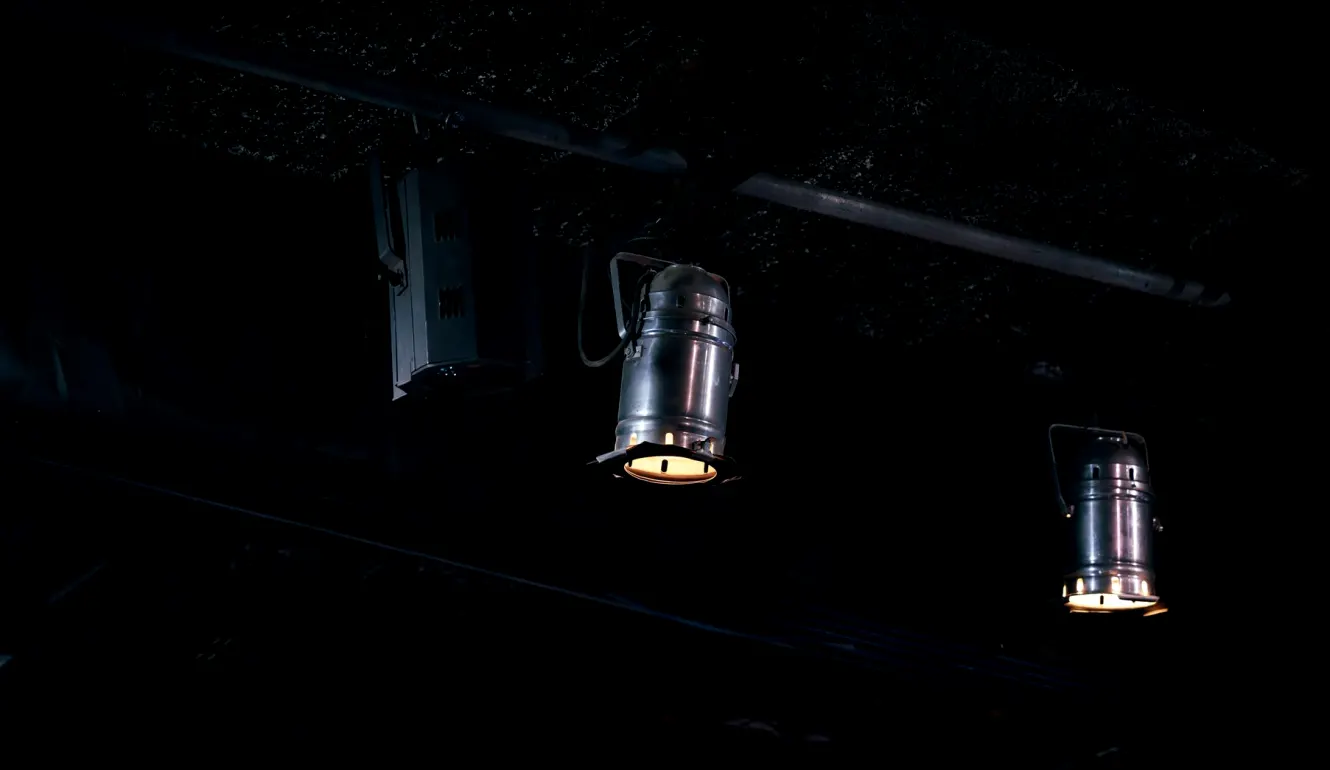
Setting Up a Live Position: What Happens Before the Light Goes Red
A behind-the-scenes look at how our crews prepare a fixed live position, from the first site check to the last sound test, and why most of the work is done before anyone goes on air.
Ask for a quote
- Phone
- 01792 410386
- Write to us
- newsdesk@ordivix.com