
Setting Up a Live Position: What Happens Before the Light Goes Red
Priya Sharma
5 minutes to read
A behind-the-scenes look at how our crews prepare a fixed live position, from the first site check to the last sound test, and why most of the work is done before anyone goes on air.
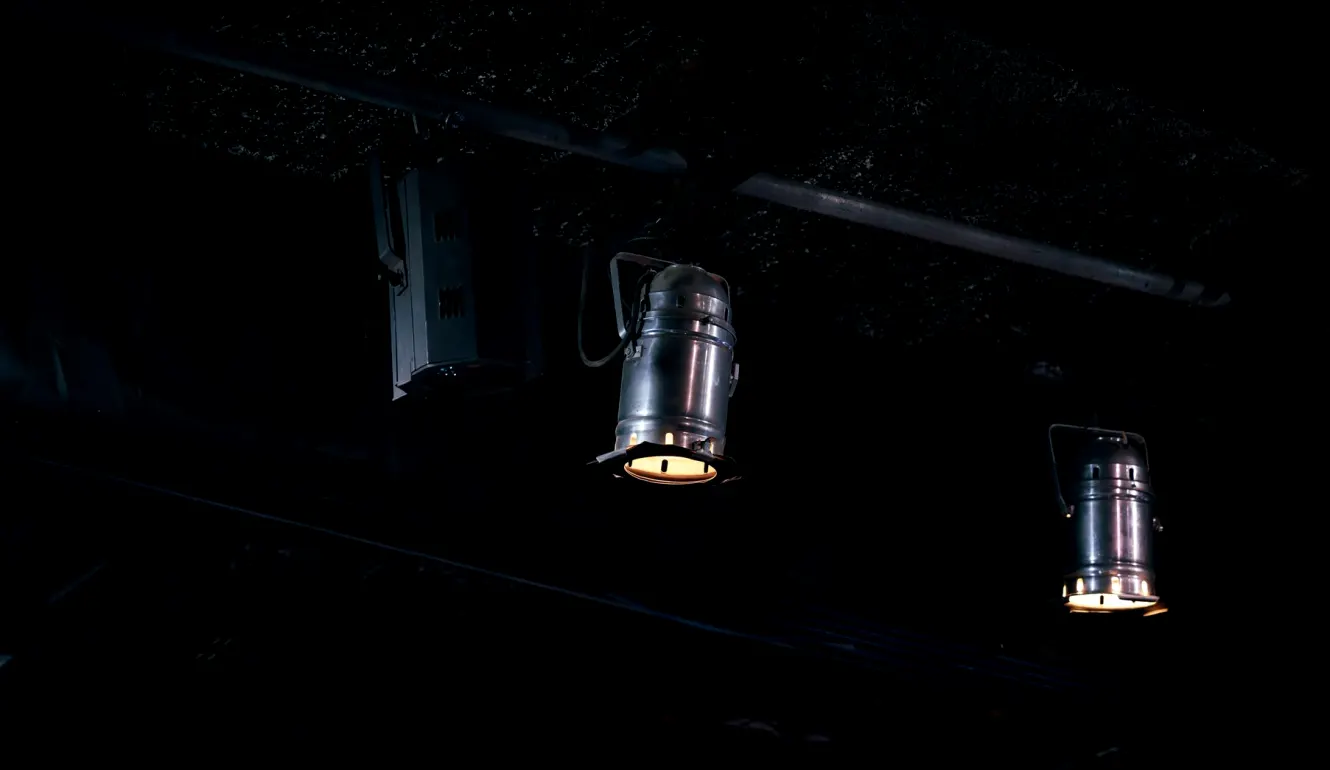
The work starts long before the truck arrives
When a newsroom asks for a live position, the first thing I see as an editor is the brief that comes back from Rhian Pugh's planning desk. It names the location, the slot times, the reporter, and the running order the item sits in. From that single page the crew works out what has to be carried, who is needed and how early they must arrive.
Live Position Support covers camera, lighting and sound for reports from a fixed position or an outside broadcast location. That sounds simple, but each of those three parts has its own preparation. I work in the edit suite rather than on the pavement, yet I cut the recorded inserts that run into these reports, so I sit close enough to the planning to see how much of it is invisible to viewers.
Choosing the spot and reading the site
A fixed position is only as good as the place it is fixed in. Before a crew commits, someone looks at the ground: where the reporter will stand, what sits behind them, where the sun will be during the slot, and whether passers-by will wander through the frame. Owen Davies, our senior camera operator, often walks the spot an hour early and moves the tripod several times before he is satisfied.
Practical limits matter just as much as the picture. Power, trip hazards, a safe place for cables, permission from whoever controls the land, and a clear route for the crew to retreat if the story shifts. A good shot that cannot be held safely for forty minutes is not a good position, and the crew will say so to the newsroom plainly.
- Background that supports the story without distracting from it
- Light direction at the actual time of broadcast
- Safe cable routes and a stable footing for the tripod
- A clear way in and out for the crew
Light, sound and the things the viewer never notices
Callum Reid sets up lighting and audio, and he treats them as one job. Outdoors in mid autumn the daylight changes quickly, so a reporter lit well at the check can look flat or harsh twenty minutes later. He carries a small kit to balance the face against the sky and adjusts it through the slot rather than leaving it fixed.
Sound is the part that most often fails on air. Wind, traffic and a nearby generator all compete with the reporter's voice. Callum chooses the microphone for the conditions, tests it at the volume the reporter will actually speak, and listens through headphones for hum or interference. Backup audio is always set up beside the main feed, because a picture with no sound cannot be rescued once it is live.
Talkback, timing and the last ten minutes
Once the picture and sound are right, the crew connects to the newsroom and checks the return feed, so the reporter can hear the studio and the producer's cues. A short rehearsal confirms that the camera, the earpiece and the countdown all line up with the programme clock. Nobody wants to discover a delay in the line when the presenter has already thrown to them.
In the final ten minutes the crew goes quiet and methodical. Focus is checked, the frame is tightened or loosened to suit the graphics the newsroom will place over it, and the reporter reads their opening lines aloud. Owen keeps one hand free to nudge the tripod if the wind rises. The aim is that nothing needs deciding once the light turns red.
- Return audio confirmed with the newsroom gallery
- Frame left clear of areas the lower-third graphic will cover
- Reporter's first lines read aloud at normal volume
What happens when the story moves
Live positions rarely stay still for long. A police cordon is pushed back, a speaker arrives early, or the weather turns. Because the crew has already walked the site, they know the second-best spot and can move the whole set-up in a few minutes. Keeping cables short and the kit packed in a sensible order makes that move possible.
Afterwards, anything recorded around the slot is sent to the newsroom, and that is where my own part resumes. Rushes arrive named and logged by the crew, so I can find the useful moments quickly and cut a follow-up item or a short recap for later bulletins. A tidy shoot makes a quicker edit, and the discipline on location is what allows that.
What a newsroom can do to help the crew
The most useful thing an editor can send us is an honest slot time and a realistic idea of how long the position must be held. If the slot may slip, tell the crew; they will plan power and rest around it. A named contact on the newsroom side who can answer quickly while we are on site also removes a great deal of guesswork.
It also helps to say early what the graphics will need. If a name strap sits low on the screen, the framing leaves room for it. If the story depends on a particular building or landmark, say so, and we will build the shot around it rather than find out later that the reporter is standing in front of the wrong thing.
A live report looks effortless because the effort has been spent earlier: choosing the ground, balancing light, proving the sound and rehearsing the line to the newsroom. Those unglamorous steps are what let a reporter speak calmly while the story moves around them. If you are planning a live position, send us the location and slot times early, and the crew will do the rest before anyone goes on air.
More from the news desk
-
What a Live Position Costs and What Moves the Price
A plain breakdown of how we price live position support, from crew size and kit to travel and hours on site, so a newsroom can budget before it commits.
-
Setting Up Studio Interviews for the Darker Months
Shorter days change how we light and record interviews. Owen Davies explains what to plan for studio and on-premises filming through the coming autumn and winter weeks.
-
How one tight deadline became a clean evening package
A short story from these autumn weeks: how a producer called Gareth, a half-written running order and a stack of rushes turned into a finished news package before the evening bulletin.
Ask for a quote
- Phone
- 01792 410386
- Write to us
- newsdesk@ordivix.com