
Setting Up Studio Interviews for the Darker Months
Owen Davies
6 minutes to read
Shorter days change how we light and record interviews. Owen Davies explains what to plan for studio and on-premises filming through the coming autumn and winter weeks.
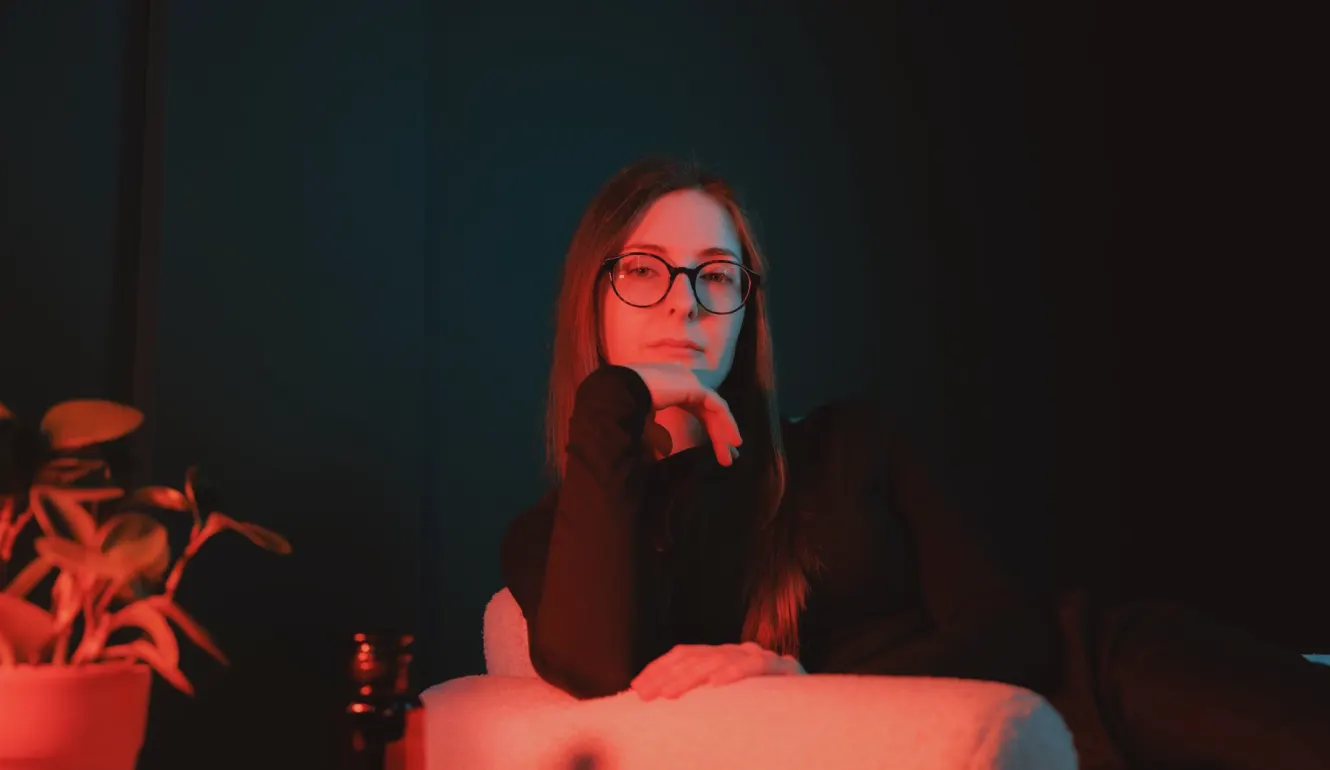
Why autumn changes the interview
Once the clocks go back, the light we rely on for interviews at your premises shrinks. A room that looked bright at ten in the morning in summer can feel flat by two in the afternoon now, and the colour of daylight shifts from white to a dull blue-grey. In the studio we control all of this, but when we travel to an office, a council chamber or a workshop, we have to plan around it. These weeks are the point at which I start asking newsrooms different questions about timing, window position and how long the subject can sit.
The practical result is that a booking made for late afternoon needs more lighting kit than the same booking made in July. We bring extra units, stands and diffusion, and we allow more time to set up before the guest arrives. Nobody enjoys waiting under a half-built rig, so an earlier start usually serves everyone better. It also leaves room to adjust if the weather turns and cloud cover removes what little natural fill we were counting on.
Choosing between studio and your premises
Our studio gives us a fixed set, predictable power and a quiet room, which matters more in autumn than at any other time. Rain on a flat roof, leaf blowers outside a window and heating systems that kick in halfway through an answer all end up on the recording. If your subject can travel to Swansea, the studio removes most of these risks and lets us deliver clean audio with steady, repeatable framing from the first question to the last.
Filming at your premises still makes sense when the setting is part of the story, such as a hospital corridor, a workshop floor or a community hall. In that case we visit beforehand if time allows, or ask for a few phone photographs of the room. We look for a space with soft furnishings, few hard surfaces and a window we can block or work with. Tell us what you want behind the guest and we will say honestly whether the room can deliver it.
Light for short days and tired faces
Guests in the colder months often arrive from a drive in the dark, rushed and a little pale. Good lighting helps, but so does a few minutes of settling in with a hot drink before we start. We set a soft key light slightly above eye level, a gentle fill on the shadow side and a small separation light behind the shoulder so the guest does not merge into a dark background. Callum Reid, our lighting technician, usually builds this in under half an hour once we have a clear space.
Colour temperature deserves a moment of attention. Tungsten lamps in an old building, daylight from one window and LED panels from our kit can all disagree. We measure and balance them rather than letting the camera average the mix, because a face that shifts from orange to blue between two cuts is distracting in a finished package. If the room has overhead fluorescent tubes, we normally switch them off and light the scene ourselves, which is worth knowing before you book.
- Arrive ten minutes early so the guest can settle before we record
- Tell us about clothing colours, since small patterns can shimmer on camera
- Allow extra setup time for late-afternoon bookings
Sound problems that arrive with the season
Audio is where autumn interviews most often go wrong. Windows are shut, heaters hum, and the building is busy with people coming in from the rain. We record with a lavalier on the guest and a directional microphone as backup, and we listen on headphones before we begin rather than trusting the meters. Anything we can hear in the room, the microphone will hear too, so we pause for a passing siren or a slammed door instead of hoping it can be fixed later.
We also ask that phones are on silent and that nobody schedules a delivery or maintenance visit during the booking. In older premises, radiators can knock as they warm up, so we ask for them to be switched off a little before we start. It sounds fussy, but a clean recording saves your editor time and keeps the answer natural, because a guest who is constantly interrupted loses their line of thought and the energy of the reply.
Framing the guest steadily
Steady framing starts with a solid tripod and a locked-off shot, but it continues with how we direct the conversation. We place the reporter just beside the lens so the guest looks slightly off-axis rather than into the camera, which is the style most newsrooms expect. Where two cameras are available, we frame one wider and one tighter, so your editor has a clean cutaway for every edit and never has to jump awkwardly across a single angle.
In the cooler months guests wear coats, scarves and heavier jackets, which affect how they sit and how the microphone is hidden. We offer them a moment to remove outer layers, because a bulky collar can rub the lavalier and produce a rustle on the track. We also keep the set warm enough that nobody shivers. These small points make footage look relaxed and professional, and they are far easier to fix at the start than in the edit.
What to send us before the booking
A short note ahead of the session helps us far more than a long brief. Tell us the guest's name and role, the approximate length of the interview, the delivery deadline and the format you need. If the piece is for a running order, give us the slot length so we frame and pace accordingly. Mention any access issues, such as stairs, parking or security checks, since a hurried arrival in darkness and rain eats into the setup time we have already planned.
After the session we transfer the rushes securely to your newsroom and keep a copy on request for archive. If your editor needs a particular file naming pattern, say so now and we will follow it from the first clip. A little planning in these weeks means fewer surprises when the evenings are at their shortest and the news cycle shows no sign of slowing down.
- Guest name, role and expected length
- Delivery deadline and file format
- Access, parking and security details for premises filming
Autumn does not make interview filming harder, but it does reward preparation. Earlier start times, controlled light, a quiet room and a clear note about what you need all make the footage cleaner and the day calmer. Whether we film in our Swansea studio or at your premises, the aim is the same: steady pictures, clear sound and an interview your editor can cut without compromise.
More from the news desk
-

Setting Up a Studio Interview That Sounds and Looks Right
A practical walk-through of how we prepare, light and record a news interview so the audio is clean, the framing holds steady and your editor has usable material straight away.
-
What we have changed in our studio for interview work this autumn
A look at the practical updates to how we light, mic and frame sit-down interviews for newsrooms, in our studio and at your premises, as the darker months arrive.
-

Talkback, Cue and Standby: Live Position Terms Explained
Live positions run on a handful of short words that mean exact things. Priya Sharma explains talkback, cue, standby and the countdown, and why each one matters to a crew on location.
Ask for a quote
- Phone
- 01792 410386
- Write to us
- newsdesk@ordivix.com